
Introduction
Even as AI can now generate huge amounts of code, system design remains one of the few skills that cannot be easily replaced. Writing code is only one part of building real products. Designing scalable, reliable, and efficient systems still requires experience, trade-offs, stakeholder discussions, and strong engineering judgment.
That is exactly why system design continues to matter so much in technical interviews. It is not just about knowing the right answer. It is about how you think, how you break down complexity, and how you justify your decisions. For many engineers, this is also one of the hardest parts of interview preparation because it demands both technical depth and structured communication.
The good news is that there are already some excellent open-source resources that can help. From complete primers and interview question collections to visual explainers and specialized guides for mobile and frontend system design, these GitHub repositories have helped many candidates prepare more effectively and land roles faster.
In this article, we have gathered 10 useful system design resources that can help you strengthen your fundamentals, practice common interview questions, and build a better framework for approaching system design interviews with confidence.
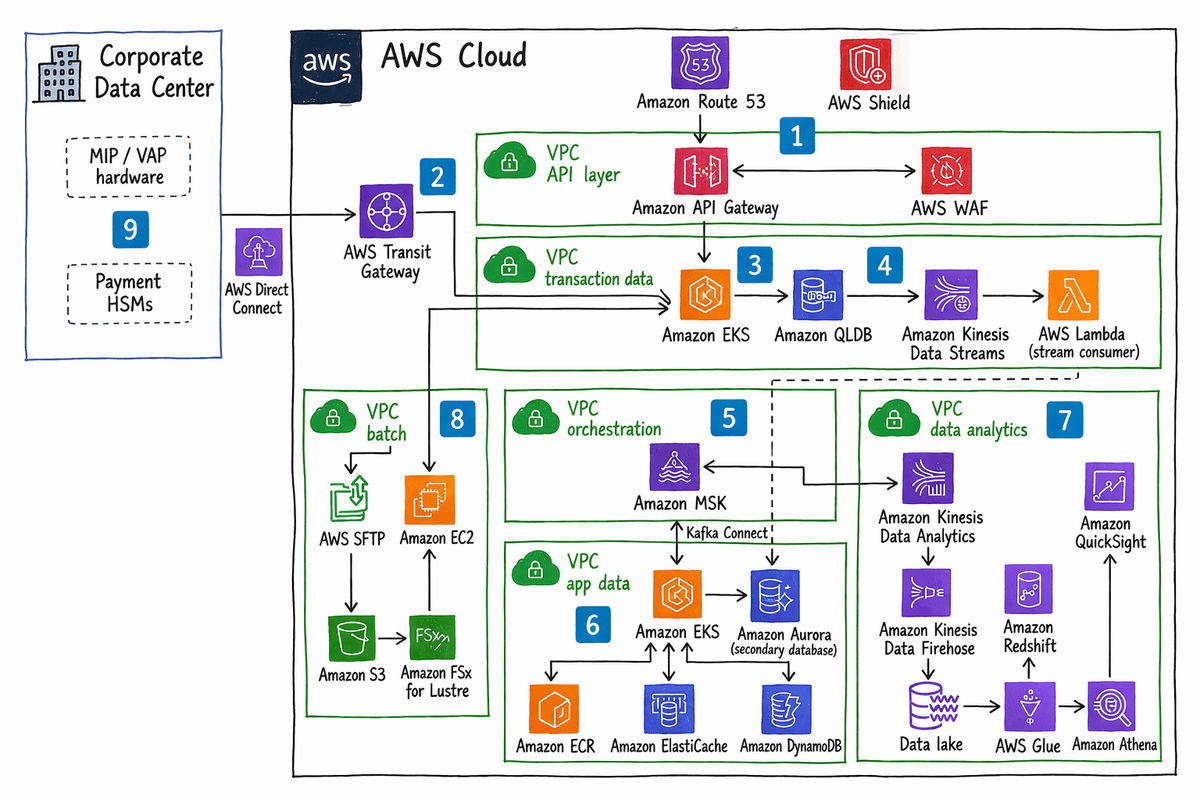
Image generated with ChatGPT using the source image from AWS
GitHub Repositories for System Design Interview Questions
// 1. A Complete System Design Primer
If you are starting with just one repository for system design interview prep, donnemartin/system-design-primer is still one of the strongest places to begin because it does more than list concepts.
It gives you a structured way to approach open-ended interview questions, covers core system design topics, and includes worked examples that show how to reason through trade-offs instead of memorizing answers.
// 2. Real Interview-Focused Questions and Answers
If you want a repository that feels more directly tied to interview preparation, checkcheckzz/system-design-interview is a strong pick because it is built around handling system design interviews with a systematic approach in a shorter amount of time.
Instead of acting like a deep textbook, it brings together interview tips, core system design basics, example products and systems, engineering blog references, and question-focused resources, which makes it especially useful for candidates who want practical preparation material they can review before interviews.
// 3. Visual Explanations of Complex Systems
If you learn best by seeing how things fit together, ByteByteGoHq/system-design-101 stands out because it explains complex systems through visuals and simple language instead of overwhelming you with theory.
The repository is designed to help with system design interviews while also making core topics like protocols, APIs, databases, and architecture patterns easier to understand, which makes it especially useful for beginners or anyone who wants a more intuitive way to build system design knowledge.
// 4. Step-by-Step System Design Learning
If you want a repository that feels more like a guided learning path, karanpratapsingh/system-design is a strong choice because it is structured around learning how to design systems at scale while preparing for interviews at the same time.
Rather than only giving you scattered questions, it helps build your understanding of distributed systems, scalability, architecture, and interview thinking in a more step-by-step way, which makes it especially useful for learners who want to strengthen fundamentals before jumping into mock interview-style problems.
// 5. Curated System Design Resources
If you prefer learning from a broad collection of free material, ashishps1/awesome-system-design-resources is useful because it brings together free resources specifically aimed at learning system design concepts and preparing for interviews.
It works well as a companion repository since it is less about one single teaching format and more about giving you a curated set of articles, videos, and learning paths you can use to fill gaps, revise topics quickly, and expand beyond the basics.
// 6. Interview Patterns and Problem-Solving Approaches
If you want a repository that goes beyond surface-level interview prep, DreamOfTheRedChamber/system-design-interviews is useful because it mixes system design interview thinking with deeper technical discussions across areas like protocols, infrastructure, and architecture.
The repo frames itself around in-depth discussion and includes topic-specific notes that can help you build stronger problem-solving instincts, making it a good choice for candidates who want to understand how systems work beneath the interview prompt rather than only memorizing common answers.
// 7. Practical Preparation Links and Notes
If you prefer a lightweight resource you can quickly browse before interviews, shashank88/system_design is helpful because it is essentially a curated collection of preparation links and documents for system design and open-ended interview rounds.
It is especially useful for revision since it brings together resources focused both on interview prep and on understanding how large-scale systems work, so it works well as a practical reference hub rather than a single linear course.
// 8. A Framework for Mobile System Design Interviews
If you are preparing for mobile-specific interviews, weeeBox/mobile-system-design is especially useful because it focuses on a framework for approaching mobile system design questions for iOS and Android roles, rather than treating mobile as an afterthought.
The repository emphasizes thought process and communication, and it includes practical exercises around real app design scenarios, which makes it a strong resource for candidates who want a more targeted way to prepare for mobile system design interviews.
// 9. Advanced Distributed Systems Resources
If you want to go deeper into the distributed systems side of system design, madd86/awesome-system-design is a strong resource because it is built as a curated collection of articles, videos, and learning material focused on system design and distributed computing.
It is particularly helpful for people who want to move beyond interview basics and strengthen their understanding of big-picture architecture, microservices, and large-scale distributed systems through a broader set of resources.
// 10. Frontend System Design Interview Resources
If your focus is frontend interviews, greatfrontend/awesome-front-end-system-design is valuable because front-end system design resources are still relatively rare, and this repository is specifically curated for that gap.
It brings together resources for both interview preparation and general learning, making it a useful starting point for engineers who want to get better at discussing scalability, architecture, and trade-offs from a frontend systems perspective rather than only a backend one.
Wrapping Up
To make things easier, here is a quick review table of all 10 repositories so you can quickly decide which one fits your learning style, interview needs, and current experience level.
| Repository |
Best For |
Why You Might Like It |
| donnemartin/system-design-primer |
Beginners to intermediate learners |
A well-structured all-in-one primer with fundamentals, examples, and interview prep |
| checkcheckzz/system-design-interview |
Interview-focused preparation |
More directly centered on system design interview questions, answers, and preparation material |
| ByteByteGoHq/system-design-101 |
Visual learners |
Explains complex systems using diagrams and simpler language |
| karanpratapsingh/system-design |
Step-by-step learners |
Feels more like a guided learning path for scaling systems and interview prep |
| ashishps1/awesome-system-design-resources |
People who like curated resource lists |
Gives you a wide range of free articles, videos, and references in one place |
| DreamOfTheRedChamber/system-design-interviews |
Candidates who want deeper technical thinking |
Blends interview prep with broader technical discussions around systems and architecture |
| shashank88/system_design |
Quick revision before interviews |
A practical set of preparation links and notes that is easy to browse |
| weeeBox/mobile-system-design |
Mobile engineers |
Tailored for iOS and Android system design interview preparation |
| madd86/awesome-system-design |
Advanced learners and distributed systems readers |
Strong curated collection for going deeper into distributed systems topics |
| greatfrontend/awesome-front-end-system-design |
Frontend engineers |
Focused on frontend system design, which is still less commonly covered elsewhere |
Abid Ali Awan (@1abidaliawan) is a certified data scientist professional who loves building machine learning models. Currently, he is focusing on content creation and writing technical blogs on machine learning and data science technologies. Abid holds a Master's degree in technology management and a bachelor's degree in telecommunication engineering. His vision is to build an AI product using a graph neural network for students struggling with mental illness.
 Instagram Engineering
 Shopify Engineering