For this challenge, we asked you to show off your hacks that power themselves sustainably from the environment around them. After all, nobody likes wires, and changing batteries is just a hassle. What’s better than an autonomous gizmo? Nothing.
Because this is Hackaday, we expected to see some finished-looking projects, some absolutely zany concepts, and basically everything in-between, and you did not disappoint! So without further ado, let’s have a look at the 2026 Green Powered Challenge winners, each of whom will be going on a $150 shopping spree at DigiKey, our contest’s sponsor.
LightInk Solar Watch
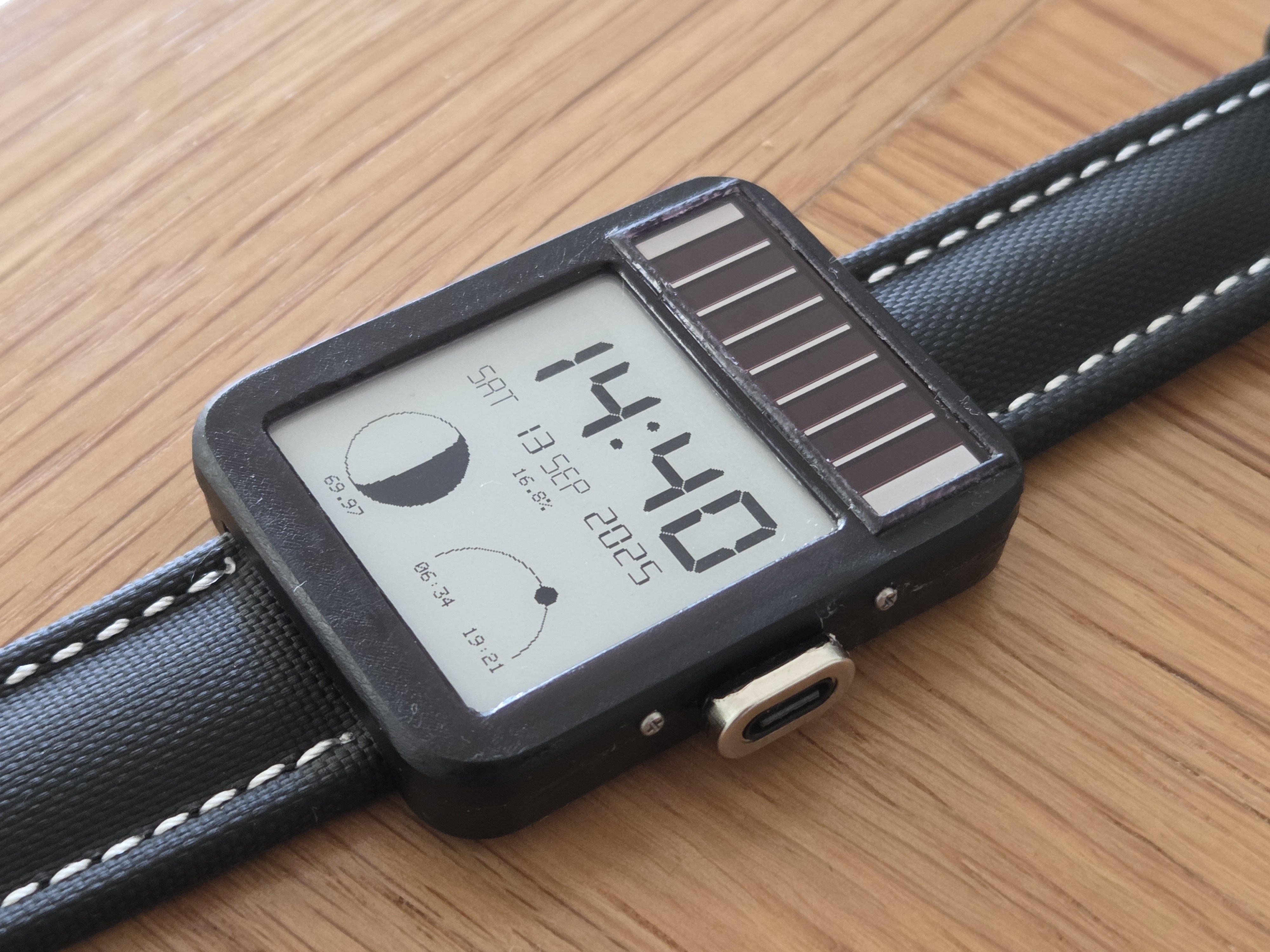
 LightInk is a beautiful wristwatch, and e-ink is a natural companion to the small power budget that you get with a wrist-mounted solar panel. But don’t be fooled by its good looks! The real beauty of this hack is the way that [Daniel Ansorregui] crammed the screen-updating routine into the wakeup stub in the RTC peripheral. This means that the ESP32 doesn’t have to access the SPI flash every time it wakes up, saving precious milliseconds of wake time, and cutting average power in half. This is a trick you’ll want to know even if you don’t need a sexy e-ink wristwatch. (Which you do.)
Supercapacitor Solar IoT
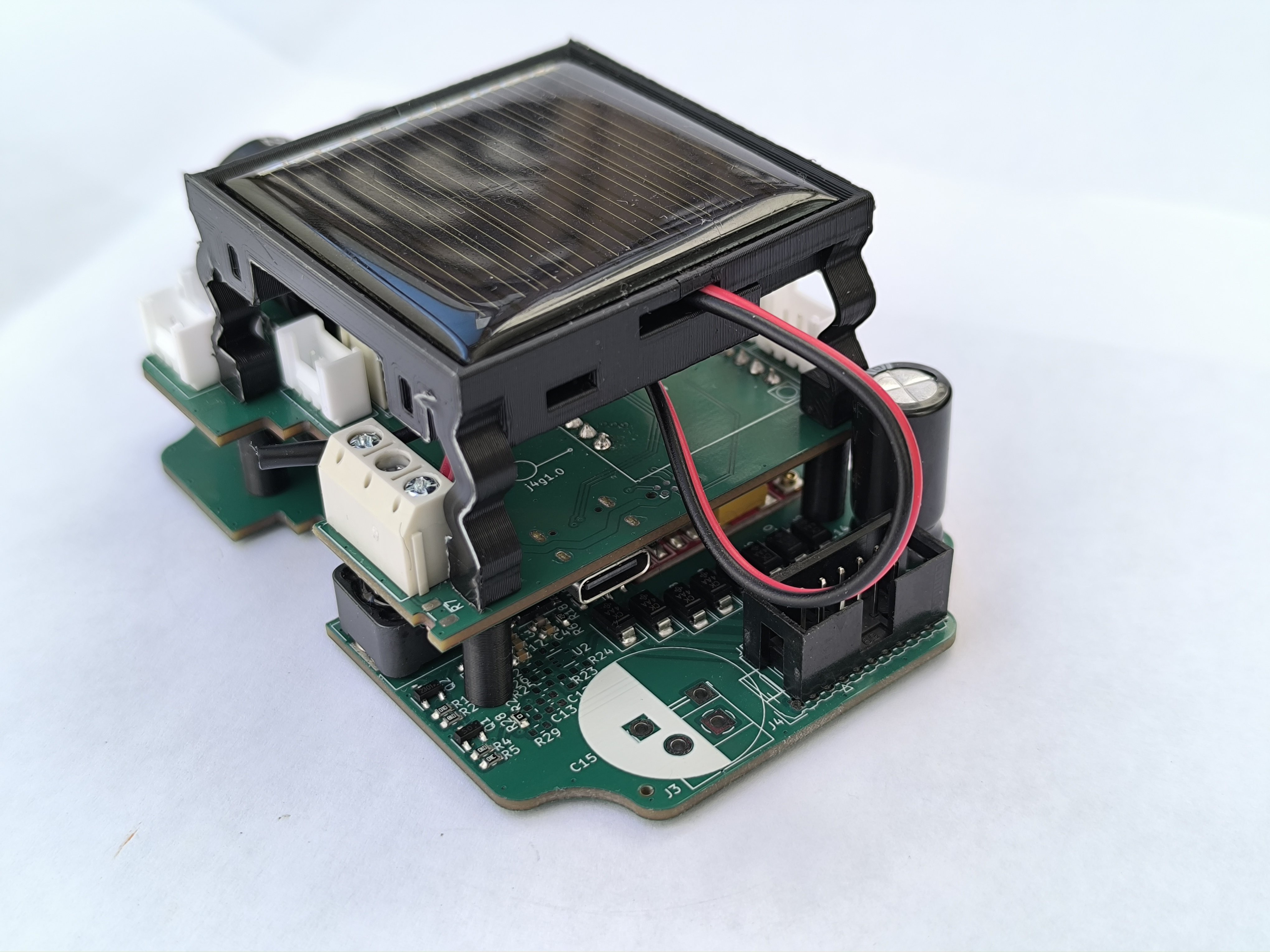
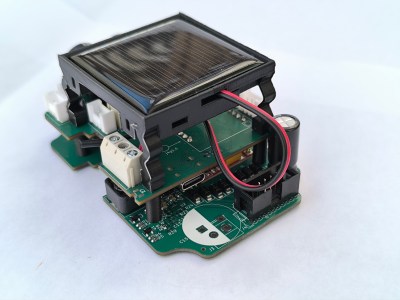 [Nelectra]’s “Heliotrax” solar supercapacitor charger stores up the sun’s power in low-maintenance supercapacitors until it’s time to wake up your device. But supercaps have an output voltage that depends dramatically on their state of charge, so [Nelectra] added a high-efficiency and low-leakage boost converter to get a nice constant voltage out. Depending on your current needs, it can charge up in the sun and run for a few dark days without any problems. It’s a one-stop shop for solar-powered IoT devices, and it should make a whole range of projects easier to realize.
powerTimer
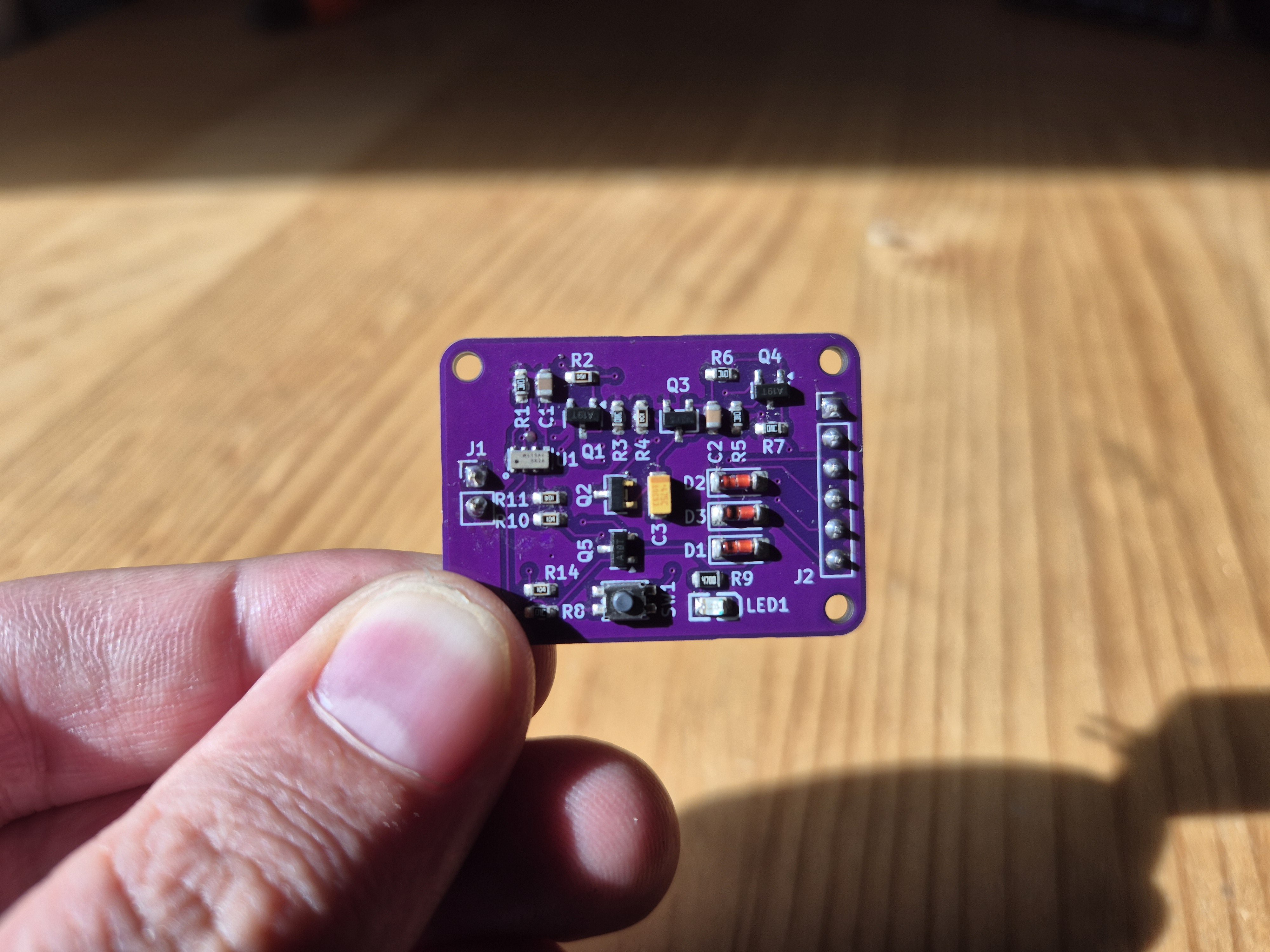
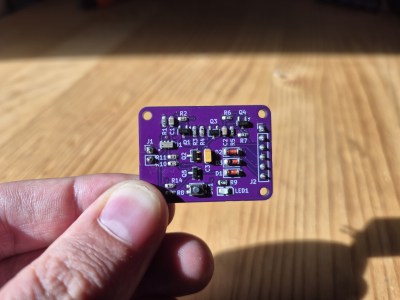 [Juan Flores]’s powerTimer is another module that enables your small off-grid hacks. In this case, it’s a simple latching electronic switch, designed for ultra-low quiescent power. Maybe your project has a microcontroller with a good sleep mode, but the peripherals are leaky hogs? Put the powerTimer in the middle and get your whole system’s power budget down without much extra thought. And if you don’t want to wake the microcontroller, it’s got a low-power RTC on board that can handle periodic wakeups. It’s a sweet, simple design that solves a real problem, and our judges loved that.
Honorable Mentions
- Solar: We knew there would be some great solar-powered projects here, and [Jake Wachlin]’s Ultra Low Power Feather Development Board is a great example. He pairs a low-power accelerometer and barometer with a power-sipping microcontroller to almost achieve ambient-room-lighting capability. [Jake] says you have to put it directly under a light, or in indirect sunlight. But if you have full sun at your disposal, [Arnov Sharma]’s SolMate is a lovely DIY solar power bank that we’d love to bring to the park with us.
- Anything But PV: OK, enough solar. [Ethan]’s Gravity-Powered Digital Clock is exactly the sort of out-of-the-box idea we were hoping to see. He pairs a Casio F91W with an insane gear train, a homebrew electrical generator, and a dumbbell to gather up all of the gravity that makes it work. Or should do so. The gear train ended up having so many stages that it wouldn’t turn under its own magnified friction, and the project doesn’t quite spin. But we love the idea of a wind-up electrical clock, and we hope [Ethan] doesn’t give up!
- Least Power: [caspar]’s Harvesting NFC Energy to Transmit Commands includes a stock Pi Pico dev board and some AA batteries, so you might be thinking “where is the low power element?” It’s the NFC wakeup circuit that reads in some data and writes it directly to the Pico’s EEPROM, before it wakes the chip up, which then reads the command out of EEPROM and does whatever it does under normal battery power, and then shuts itself down again. We love the idea of surreptitious NFC-powered data insertion while the microcontroller is still sleeping.
- Most Power: We initially expected this honorable mention to go to an over-sized solar install, but in the end [alnwlsn]’s Practical Power Cycling won over our judges with an unbeatable display of human determination: over five years, [alnwlsn] has generated 38 kWh on his generator bike, has powered a 3D printer through a Benchy, and even toasted a piece of toast. Maybe the real power here is the human spirit? Check out [alnwlsn]’s great build logs and diary.


Thanks to All!
Much thanks to everyone who entered into this challenge. We had more great entries than we have space to feature, so be sure to check them all out on Hackaday.io. And of course, thanks again to DigiKey for sponsoring the contest, and for providing our three finalists with the parts they need!
 Instagram Engineering
 Shopify Engineering